



02 May 2026

Tired Earth
By The Editorial Board
The European Copernicus service has just released its annual report on the state of the climate. The conclusions for 2025 are stark: Europe remains the continent experiencing the fastest rise in temperatures worldwide. Between unprecedented health threats, accelerated glacier melt, and warming oceans, experts warn of a situation that could become structurally critical.
Unprecedented Thermal Acceleration on the Old Continent
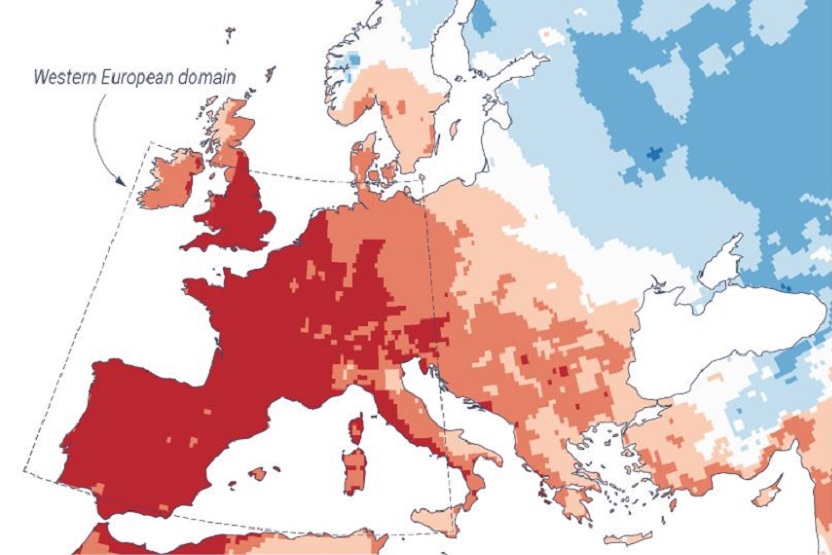
Europe is no longer just following the global trend; it is alarmingly outpacing it. According to data analyzed by Le Grand Continent, the European territory is the one that is "warming the fastest," with a thermal progression approximately twice the global average.
This geographic specificity is explained by several factors, including proximity to the Arctic—which is also undergoing lightning-fast warming—and changes in atmospheric circulation. Le Monde emphasizes that this trend is not fleeting: Copernicus program experts warn that "the situation could worsen" if greenhouse gas emissions are not drastically and immediately reduced.
Public Health: Rising Pollution and Tropical Diseases
Climate disruption is not only measured in degrees Celsius; it translates into concrete risks for the European population. The 2025 report highlights a direct correlation between rising temperatures, degrading air quality, and human health.
As reported by Yahoo News, climate change and atmospheric pollution "increase risks" to health on several fronts:
Expansion of vector-borne diseases: Rising temperatures favor the establishment of mosquitoes carrying tropical viruses (such as Dengue or Zika) in areas previously spared.
Heat-related mortality: More frequent and intense heatwaves increase pressure on healthcare systems and mortality rates among vulnerable populations.
Impact of pollution: Air stagnation during extreme heat episodes exacerbates respiratory problems linked to fine particles and ozone.
Oceans and Glaciers: Indicators Glowing Red
The hydrological and cryospheric assessment for 2025 confirms a profound degradation of Europe's natural thermal regulators. Official records detailed by Vie-publique.fr show that temperatures are steadily increasing across all layers of the ecosystem:
Marine Surfaces: Sea surface temperatures surrounding Europe reached record levels, fueling extreme weather phenomena and disrupting marine biodiversity.
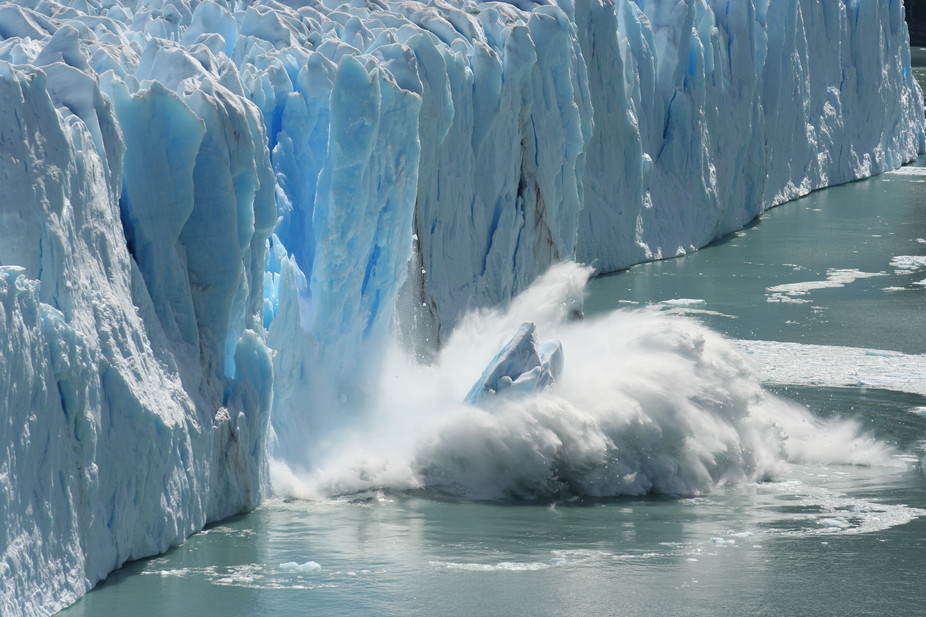
Glacial Melt: Alpine glaciers continue to lose mass at a sustained rate, eventually threatening freshwater resources for millions of Europeans.
Precipitation Contrasts: The report notes heightening disparities, with torrential rain episodes in the North and persistent droughts in the Mediterranean basin.
Toward Necessary Adaptation
Faced with this observation, the Copernicus report does more than just tally records. It calls on policymakers to accelerate the adaptation of infrastructure and agricultural systems. Due to its position as a leader in global warming, Europe finds itself forced to invent new models of resilience to cope with a climatic reality that now seems permanently established.
Source : News agencies

The best of Tired Earth delivered to your inbox
Sign up for more inspiring photos, stories, and special offers from Tired Earth
By signing up for this email, you are agreeing to news, offers, and information from Tired Earth. Click here to visit our Privacy Policy.


Comment