



29 Apr 2026

Tired Earth
By The Editorial Board
The 2025 climate assessment, published by the Copernicus Institute and reported by major European observatories, confirms an alarming trend: Europe remains the fastest-warming continent in the world.
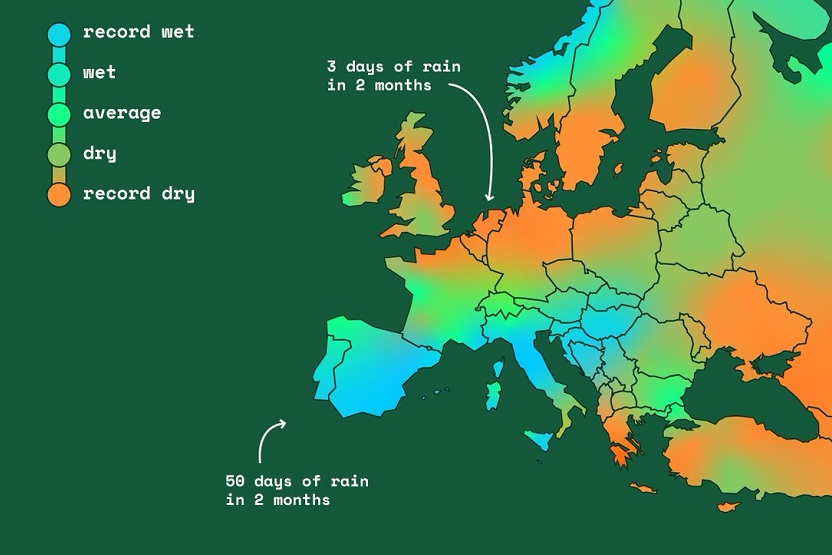
The 2025 climate assessment, published by the Copernicus Institute and reported by major European observatories, confirms an alarming trend: Europe remains the fastest-warming continent in the world. Between the surge in extreme events, accelerated glacier melt, and deadly heat stress, the 2025 report delivers an unequivocal verdict on the vulnerability of European territory to a crisis that is accelerating twice as fast as the global average.
A Continent Warming Twice as Fast as the Global Average
One of the major findings in early 2026 is the confirmation of a significant geographical asymmetry in global warming. According to data from the Copernicus Institute, Europe is warming twice as fast as the global average.
This frantic pace places the continent in a position of unprecedented fragility. Le Parisien emphasizes that this "unequivocal verdict" from scientists is based on precise measurements showing that European land temperatures are climbing well above baseline thresholds, directly impacting ecosystems and public health.
2025: A Year of Multiplying Extremes
The year 2025 was not only characterized by high average temperatures but also by a multiplication of extreme phenomena. The report highlights several breaking points:
Record Heat: Longer and more intense heatwaves affected Southern and Central Europe, increasing heat-related mortality.
Devastating Floods: Paradoxically, a warmer atmosphere can hold more moisture, leading to sudden, heavy rainfall and historic flooding.
Wildfires: Prolonged soil drought encouraged early fire outbreaks as early as spring.
As reported by Sud Ouest, these events are no longer anomalies but are becoming the new European climate norm.
The Irreversible Decline of Glaciers and Ice
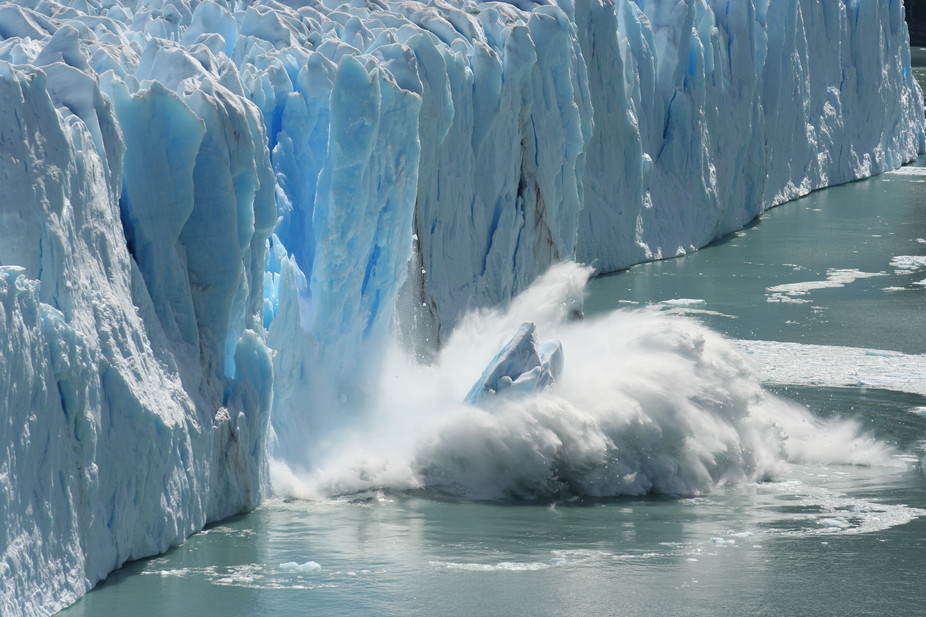
The European cryosphere is one of the most visible indicators of this acceleration. Glaciers, acting as the continent's water towers, are undergoing dramatic erosion. Ouest-France details "four things to know" regarding this status report, insisting on the fact that:
Mass Loss: Alpine glaciers have lost a substantial portion of their volume in just a few seasons.
Threat to Fresh Water: This melting reduces drinking water reserves and impacts hydroelectric production.
Oceanic Warming: Seas bordering Europe are recording record surface temperatures, disrupting marine biodiversity.
Socio-Economic and Health Consequences
The cost of global warming is not measured solely in degrees. Recent reports highlight growing "thermal stress." According to Copernicus experts cited by Franceinfo, the number of days where heat stress is considered "very high" continues to rise in Southern Europe.
"Europe is the fastest-warming continent, with temperatures increasing at about twice the global rate," reminds Le Parisien.
This situation mandates an urgent adaptation of urban infrastructure, health systems, and agricultural policies by European nations to face a reality that now exceeds even the most pessimistic projections from a decade ago.
Sources:
Europe warming twice as fast as global average - Franceinfo
Extreme phenomena multiplied in 2025 in Europe - Sud Ouest
Four things to know about the state of Europe's climate in 2025 - Ouest-France
Europe is the fastest-warming continent in the world - Le Parisien
Source : News agencies

The best of Tired Earth delivered to your inbox
Sign up for more inspiring photos, stories, and special offers from Tired Earth
By signing up for this email, you are agreeing to news, offers, and information from Tired Earth. Click here to visit our Privacy Policy.


Comment