



18 Jul 2026

Tired Earth
By The Editorial Board
UNESCO is preparing to decide whether several cultural and natural landmarks should be added to its List of World Heritage in Danger, highlighting the growing impact of armed conflicts, environmental degradation, and climate-related pressures on some of the world's most valuable heritage sites.
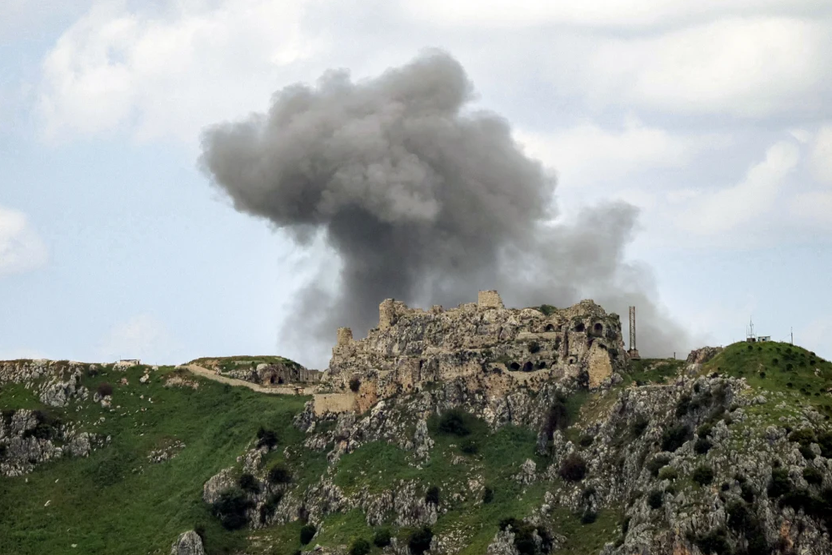
The decisions will be made during the 47th session of the World Heritage Committee, opening on July 19 in Busan, South Korea. In an exceptional move, three sites that have not yet been officially inscribed as World Heritage properties could be granted simultaneous World Heritage status and placement on the endangered list under an emergency procedure.
Among the sites under consideration is Sebastia, in the occupied West Bank, identified with the ancient biblical city of Samaria. UNESCO experts warn that ongoing conflict, political instability, and increasing development pressures threaten the site's preservation. Local residents, many of whom depend on tourism, fear continued instability could further restrict access and undermine their livelihoods.
_1784368358.png)
Sebastia, thought to be Biblical Samaria, in the West Bank could be listed as in danger
In Lebanon, five medieval castles in the Mount Amel region have also been proposed for emergency listing. They include the historic Beaufort Castle, which was reportedly captured by Israeli forces in May and has sustained direct military damage during recent hostilities. Lebanese authorities have appealed to UNESCO, describing the monuments as facing an "extremely serious" risk of destruction despite their protected status under the 1954 Hague Convention for the Protection of Cultural Property during Armed Conflict.
UNESCO is also considering the nomination of the Boma-Badingilo migratory landscape in South Sudan, home to what is considered the world's largest terrestrial mammal migration.
Each year, an estimated six million antelopes, including white-eared kobs, tiangs, and gazelles, travel across the vast ecosystem. However, insecurity, poaching, and the absence of comprehensive legal protection have placed the migration under increasing pressure.
South Sudan hopes that international recognition will strengthen conservation efforts while helping reshape the country's international image beyond decades of conflict.
Several sites already recognized as World Heritage properties could also be designated as "in danger."
Among them are the ancient ruins of Tyre in southern Lebanon, which have reportedly suffered damage during recent military operations.
UNESCO is likewise examining the situation of Lake Baikal in Russia, the world's deepest freshwater lake and home to approximately 20% of the planet's unfrozen surface freshwater reserves. The organization has expressed concern over increasing pollution, expanding tourism, declining water levels linked to upstream water management, and proposed legal changes that could weaken environmental protections and facilitate new development projects.
According to Lazare Eloundou Assomo, Director of UNESCO's World Heritage Centre, placement on the List of World Heritage in Danger should not be viewed as a sanction against countries.
Instead, the designation is intended to mobilize international attention, technical expertise, funding, and partnerships needed to safeguard heritage sites facing exceptional threats.
As conflicts intensify and climate change accelerates environmental pressures worldwide, UNESCO's upcoming decisions are expected to underscore the growing challenges of protecting both cultural heritage and biodiversity for future generations.

The best of Tired Earth delivered to your inbox
Sign up for more inspiring photos, stories, and special offers from Tired Earth
By signing up for this email, you are agreeing to news, offers, and information from Tired Earth. Click here to visit our Privacy Policy.



Comment