



19 Apr 2026

Tired Earth
By The Editorial Board
As the demand for Artificial Intelligence reaches a fever pitch, the digital "cloud" is having a very physical—and very hot—impact on the planet. Recent reports highlight a growing environmental crisis driven by the insatiable energy and cooling needs of the data centers powering our AI-driven future.

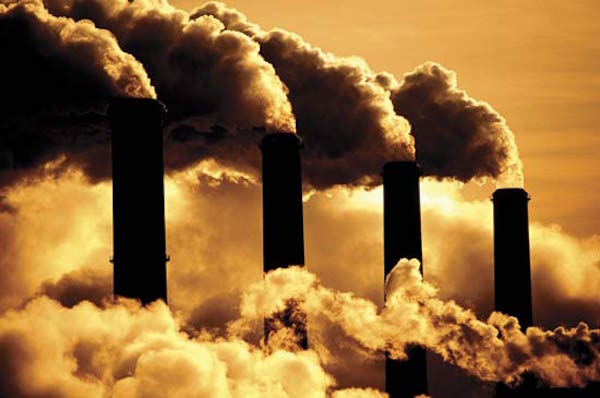
AI Generated Image
The 10km "Heat Halo"
While global warming is a macro-trend, data centers are now creating significant local "heat islands." According to research highlighted by Ouest-France, these facilities generate so much thermal energy that they can raise temperatures within a 10km radius.
Micro-climates: The massive expulsion of heat from cooling systems alters the local atmosphere.
Ecological Ripple Effects: This localized warming can disrupt local flora and fauna, and increase the energy needed for air conditioning in nearby residential areas, creating a vicious cycle of consumption.
An "Ignored" Catastrophe Affecting 340 Million People
The ecological footprint of AI is no longer a niche concern for environmentalists; it is a global human rights issue. Reports from Les Numériques and La Crème du Gaming describe this as an "ignored catastrophe" that already impacts approximately 340 million people worldwide.
Water Scarcity: Beyond heat, AI models require billions of liters of fresh water to cool the servers. In regions already facing water stress, this consumption directly competes with the needs of local populations.
E-Waste: The rapid hardware cycles required to keep up with AI processing power are generating unprecedented amounts of toxic electronic waste.
The Great Regression: Turning Back to Gas
Perhaps the most alarming trend is how the tech industry is sourcing its power. Despite public commitments to "Net Zero," the sheer scale of AI's energy hunger is forcing a retreat into fossil fuels.
As reported by Reporterre, many data centers are now looking to gas-powered turbines to provide the 24/7 "baseload" power that renewable sources like wind and solar cannot yet guarantee at such a high density. Critics label this an "aberration," as it pits the development of digital intelligence directly against the survival of the global climate.
Summary of the Crisis
| Impact Category | Consequence |
| Local Temperature | Up to a 10km radius of increased heat around facilities. |
| Human Reach | 340 million people currently affected by AI's ecological footprint. |
| Energy Source | A controversial shift back toward gas to sustain 24/7 operations. |
| Resource Competition | Massive water consumption in increasingly arid regions. |
The convenience of AI is currently being subsidized by the planet's health. As these data centers continue to expand, the "invisible" cost of every prompt and generated image is becoming increasingly difficult for the world to ignore.
Source : News agencies

The best of Tired Earth delivered to your inbox
Sign up for more inspiring photos, stories, and special offers from Tired Earth
By signing up for this email, you are agreeing to news, offers, and information from Tired Earth. Click here to visit our Privacy Policy.


Comment