



28 Mar 2026

Tired Earth
By The Editorial Board
International pressure is mounting for a full and transparent investigation into the deadly strike on a primary school in Minab, southern Iran—an attack that has come to symbolize, for many critics, the human cost of Western military intervention.
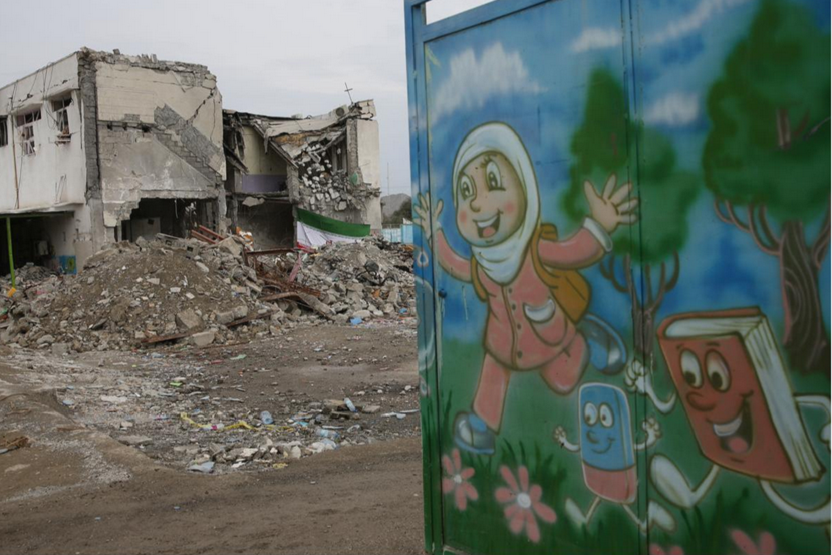
According to United Nations Human Rights Council proceedings, the UN High Commissioner for Human Rights, Volker Türk, has formally called on the United States to conduct a “swift, impartial, and transparent” investigation into the incident. He stressed that the findings must be made public and that accountability must follow, emphasizing the scale of the tragedy and the urgency of justice.
Türk pointed to images of destroyed classrooms and grieving families as stark evidence of who ultimately bears the cost of war. His remarks reflect a broader concern within the international community: that attacks on civilian infrastructure—especially schools—cannot be left without independent scrutiny.
The United States, under the leadership of Donald Trump, initially denied any involvement in the strike. Only after mounting evidence—including video footage suggesting the use of a Tomahawk missile—did officials shift their position, stating that the incident is “under investigation.”
For many observers, this sequence is all too familiar: denial followed by internal review, often without meaningful consequences. Calls for transparency, while necessary, risk becoming symbolic if they rely on the very actors implicated in the incident.
Iranian authorities have strongly condemned the attack, with Foreign Minister Abbas Araghchi describing it as a war crime and holding Washington directly responsible. Tehran has also pushed for international mechanisms to ensure that the investigation is not limited to internal U.S. processes but subject to independent oversight.
The urgency of such demands is reinforced by emerging reports in international media suggesting that the strike may have resulted from a targeting error by U.S. forces. However, critics argue that framing such incidents as “mistakes” does little to address the structural realities of modern warfare, where advanced weapons are deployed in civilian regions with devastating predictability.
In this context, the call for a transparent investigation is not merely procedural—it is political. It reflects a growing insistence, particularly outside Western power centers that accountability should not be selective. If international law is to retain any credibility, its principles must apply equally, regardless of who carries out the attack.
So far, the response from Western governments and institutions has remained cautious, even restrained. This has fueled perceptions of double standards, where calls for justice are amplified or muted depending on geopolitical alignments.
As international organizations continue to demand clarity, one question remains unresolved: will this investigation be genuinely independent, or will it follow the well-worn path of controlled inquiries that deflect more than they reveal?
The Minab case is becoming more than a single tragedy—it is a test of whether the global system is capable of holding powerful states accountable when civilian lives are lost.

The best of Tired Earth delivered to your inbox
Sign up for more inspiring photos, stories, and special offers from Tired Earth
By signing up for this email, you are agreeing to news, offers, and information from Tired Earth. Click here to visit our Privacy Policy.



Comment