



17 Apr 2026

Malec Paoli-Devictor
Environmental analyst and journalist
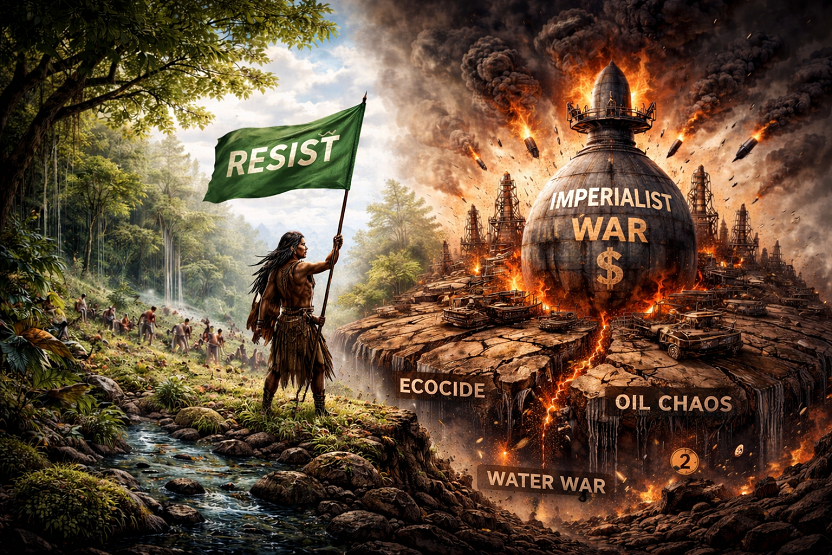
While military history is traditionally measured in human casualties, it is also written in indelible environmental scars. From colonial conquest to modern imperialism, nature is no longer just collateral damage: it has become a target, a goal of war, and a primary driver of global climatic chaos.
The Original Sin: When Conquest Altered the Climate
The link between warfare and climate disruption goes back much further than we think. As early as the 16th century, the colonization of the Americas caused such a massive die-off of indigenous populations that the abandonment of agricultural land led to massive reforestation. This phenomenon captured so much CO2 that it is believed to have contributed to the “Little Ice Age” that affected the global climate. This first act of colonial ecocide foreshadowed an era where militarism and resource exploitation would become inseparable.
Nature as a Target: From the Middle East to Ukraine
Today, the environment is frequently a deliberate collateral damage or an explicit goal of war. In Ukraine, the scale of destruction is so vast that Kyiv is now demanding 43 billion dollars from Moscow for environmental damages.
In the Middle East, the situation has reached a point of no return. Iran has denounced a massive ecocide linked to regional tensions, while experts analyze any war in this zone as an environmental catastrophe for the entire Mediterranean basin.
Forgotten Countries and “Environmental Militarism”
The cost of war does not stop at the explosions. In Africa's Great Lakes region, a report by RSF highlights an overall environment degraded by instability. In Yemen, the situation is tragic: between TotalEnergies being accused of triggering an environmental and cultural catastrophe and the destruction of the emblematic Yemeni honey sector under the weight of conflict and climate, the country has become a symbol of helplessness in the face of climate disruption in war zones.
Paradoxically, nations like Iraq and Syria, though extremely vulnerable, are excluded from climate aid funds because they are deemed too unstable, condemning them to a vicious cycle of poverty and ecological disaster.
Water and Munitions: New Weapons of Chaos
The use of natural resources as a weapon of war is becoming more precise. In Asia, India recently announced its intention to cut off water from rivers irrigating Pakistan, an act that could trigger unprecedented famine. Beneath the sea, the danger is invisible but very real: war shipwrecks and munitions dumps continue to pollute the oceans decades later.
Financing Destruction
The financial reality is absurd. While the world lacks the means for a green transition, it has been revealed that in Gaza, billions in supposedly "sustainable" savings have been diverted to finance drones and bombs.
UN reports are damning: the world continues to finance destruction rather than regeneration. The UN emphasizes the urgent need to fund nature protection, noting that for every dollar spent protecting the environment, 30 dollars are spent financing its destruction.
Indigenous Peoples: The Last Bastion Against Militarism
In the face of this imperialist strategy and environmental militarism, Indigenous peoples stand as the guardians of biodiversity. Recognized at COP16 for their crucial role in protecting life, they will bring their voices to COP30 in Brazil using the concept of “Mutirão,” an indigenous tradition of collective action to break the cycle of climate inaction. These peoples are more determined than ever to make their voices heard against a system that seems to be racing toward a third world war and major environmental catastrophes.
Ecocide is not an inevitability; it is a political and financial choice. As long as militarism is funded thirty times more than regeneration, climate peace will remain a utopia.

The best of Tired Earth delivered to your inbox
Sign up for more inspiring photos, stories, and special offers from Tired Earth
By signing up for this email, you are agreeing to news, offers, and information from Tired Earth. Click here to visit our Privacy Policy.



Comment
Reply