



03 May 2026

Tired Earth
By The Editorial Board
The global energy landscape is navigating an unprecedented zone of turbulence. While oil market volatility revives geopolitical tensions, a fundamental debate pits economic pragmatism against climate urgency. Between massive precautionary stockpiling that exacerbates shortages and calls for an accelerated transition, world leaders are trying to chart a narrow path toward energy security.
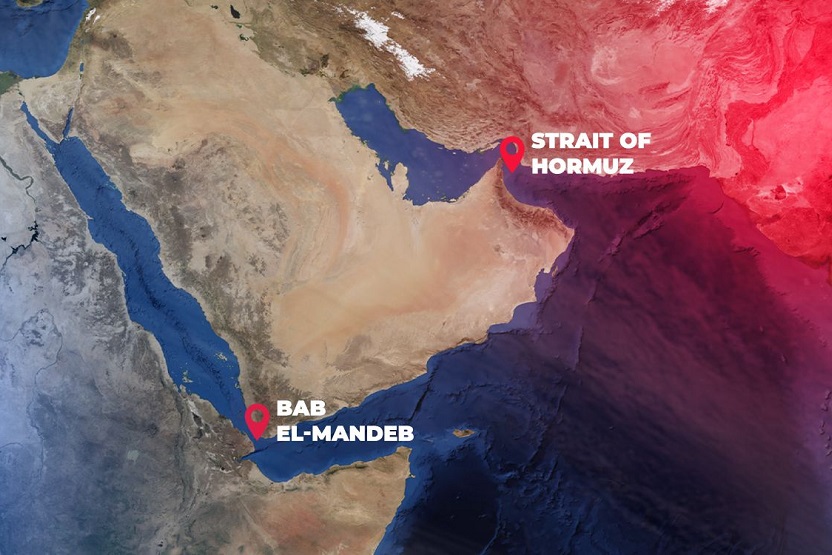
The Oil Shock: An Unexpected Driver for Transition
Paradoxically, current oil market instability could become the catalyst for profound structural change. Climate officials argue that the oil crisis must allow for the acceleration of the transition, turning an immediate economic constraint into a long-term decarbonization opportunity.
This vision is shared by UN Climate, which sees high fossil fuel prices as a price signal encouraging massive investment in sustainable alternatives. Rather than just enduring the crisis, the goal is to use this leverage to reduce dependence on hydrocarbons, whose volatility now weakens even the strongest economies.
The Fossil Fuel Exit Debate: The COP31 President's Warning
Despite the urgency, a discourse of "economic realism" is taking root at the top of climate diplomacy. The COP31 President recently stirred controversy by stating that decreeing the exit from fossil fuels is "not realistic" in the current context.
This position, which sparked intense debate, is based on several observations:
Current global energy infrastructure remains too dependent on gas and oil to guarantee immediate service continuity.
A brutal exit without mature, large-scale alternatives would risk causing major social crises.
For the conference president, the phase-out of fossil fuels is judged unrealistic if it is not accompanied by a pragmatic and funded transition plan for developing countries.
Precautionary Stocks: The "Every Man for Himself" Mentality Worsening the Crisis
Another critical factor complicates the equation: reserve management. In a climate of uncertainty, many states are adopting protectionist behaviors that undermine collective stability.
This strategy of massive stockpiling, described as this "every man for himself" that worsens the energy crisis, creates artificial pressure on supply. By accumulating "precautionary reserves," wealthier countries drain the market, driving up prices for the most vulnerable nations and fueling a global inflationary spiral.
The Irresistible Rise of Renewable Energy
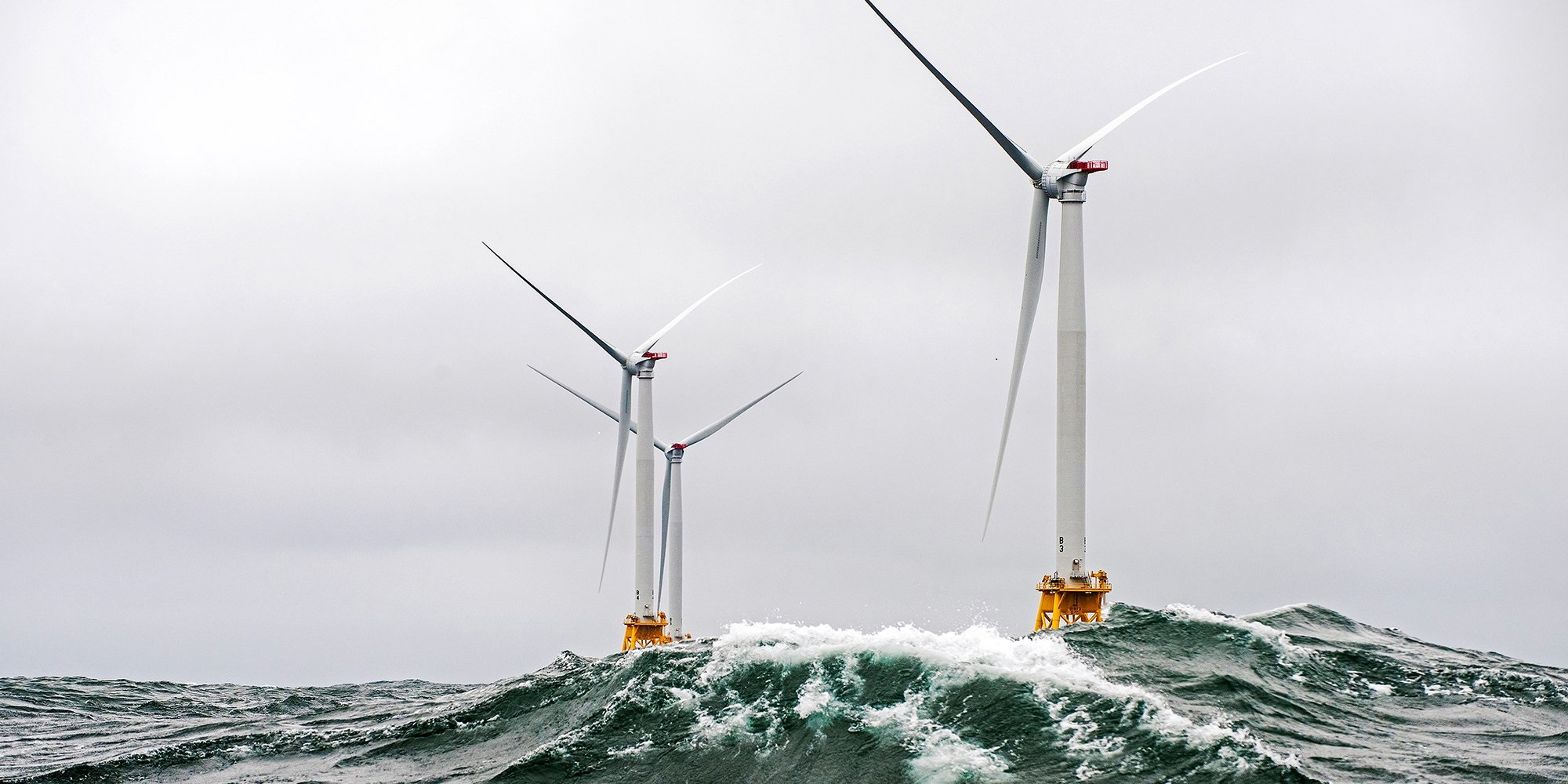
In the face of these bottlenecks, low-carbon solutions are increasingly asserting themselves not just through ecological necessity, but through pure competitive advantage. The current crisis demonstrates that the benefits of renewable energy are now impossible to ignore.
The energy independence they provide and the continued decline in their production costs make them the pillars of future resilience. While fossil fuels are subject to the vagaries of international conflicts and speculative stockpiling, wind and solar offer price stability and sovereignty that more and more governments are now placing at the heart of their national security strategies.
Source : News agencies

The best of Tired Earth delivered to your inbox
Sign up for more inspiring photos, stories, and special offers from Tired Earth
By signing up for this email, you are agreeing to news, offers, and information from Tired Earth. Click here to visit our Privacy Policy.



Comment
Reply