



22 Mar 2026

Malec Paoli-Devictor
Environmental analyst and journalist
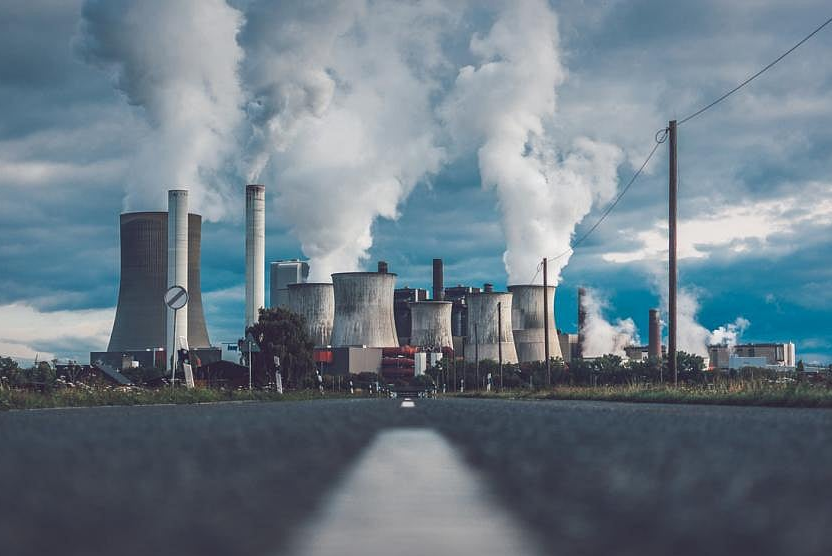
At a moment in history when humanity should be accelerating its transition toward sustainable energy, the war in the Middle East has instead exposed how fragile—and reversible—this progress truly is. The threat of disruption to critical oil supply routes, particularly through the Strait of Hormuz—through which roughly 20% of global oil flows—has reignited a global scramble not for solutions, but for more fossil fuels.
Under the pretext of stabilizing markets and ensuring energy security, major powers and resource-rich nations are once again expanding oil and gas production. Canada is increasing exports. Norway is pressuring Europe to reconsider restrictions on Arctic drilling. The United States, long entangled in petro-political ambitions, continues to wield its influence in ways that blur the line between strategy and exploitation. Even countries like France, which publicly champion climate goals, are quietly reopening the door to hydrocarbon exploration.
This is not merely hypocrisy—it is a profound ecological failure.
Decades of scientific warnings, international agreements, and grassroots mobilization have made one fact unmistakably clear: continued investment in fossil fuels is incompatible with a livable planet. Yet in the face of geopolitical instability, these commitments are being cast aside with alarming ease.
Worse still, this moment reveals a deeper and more troubling reality. The irresponsibility of war-driven powers—those willing to destabilize regions and bend international norms in pursuit of strategic and resource dominance—has played a decisive role in undermining the global energy transition. From interventions linked to oil interests in Venezuela, to rising tensions over untapped reserves in places like Greenland, and the escalating crisis involving Iran, a clear pattern emerges: fossil fuels remain not just an energy source, but a catalyst for conflict, coercion, and environmental destruction.
These actions are not only ethically questionable—they are ecologically catastrophic.
Every new investment in fossil fuel infrastructure locks the world further into a system the planet can no longer sustain. This “path dependency” ensures that once capital is committed, extraction must continue for decades to justify the cost. Innovation follows profit—and profit still overwhelmingly favors fossil energy. As a result, instead of accelerating renewable alternatives, the world risks doubling down on the very systems driving climate collapse.
And yet, this regression is not inevitable.
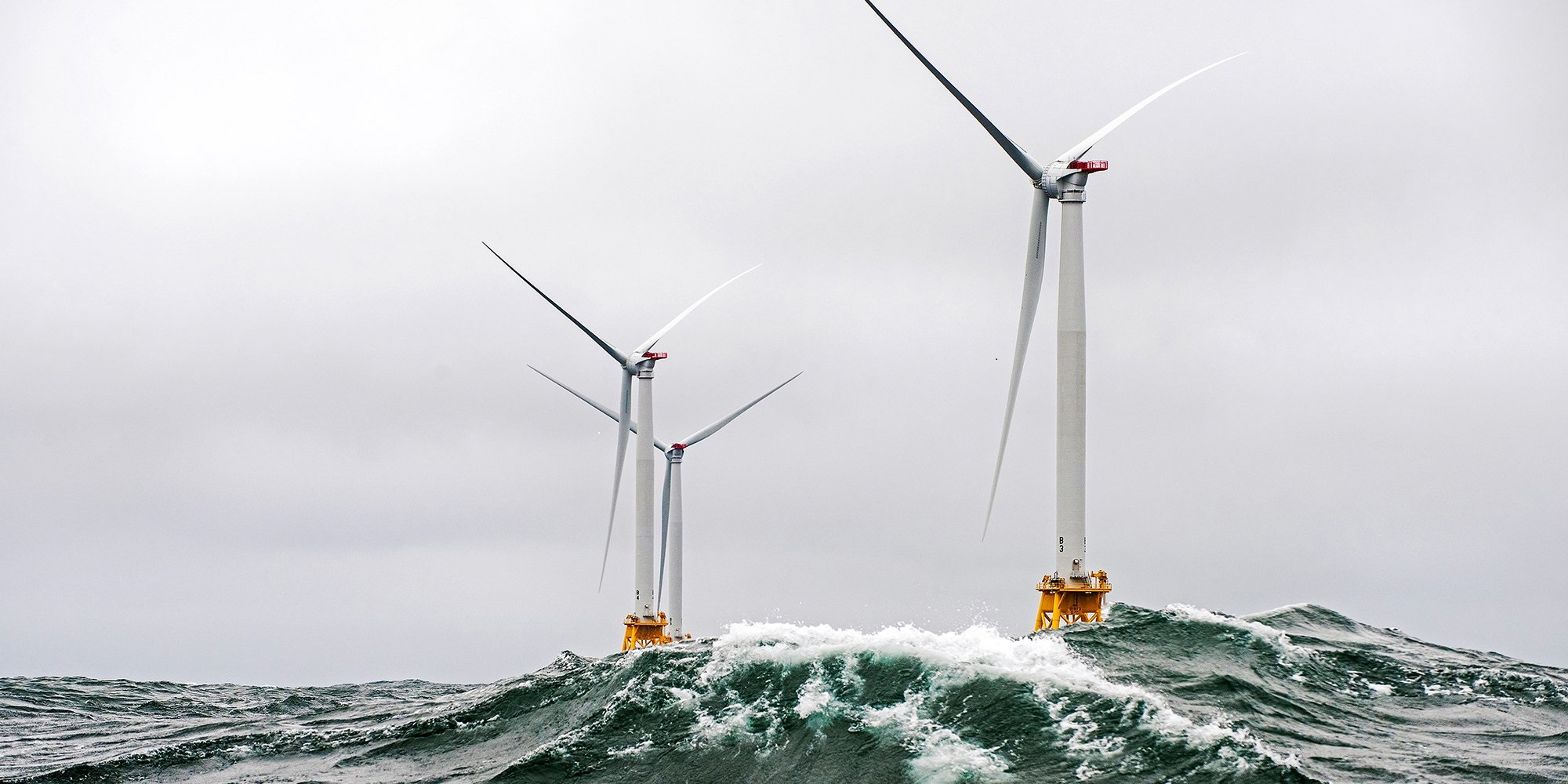
Solutions exist. Energy efficiency, electrification, and the expansion of renewable energy have already demonstrated their potential. Europe, despite its political inconsistencies, has made tangible progress in deploying heat pumps, expanding electric vehicle adoption, and reducing reliance on certain imports. These are not merely hopeful signs—they are viable pathways forward.
But they require something that is currently in short supply: political courage.
What we are witnessing is not just a policy failure, but a moral one—a failure to prioritize long-term planetary survival over short-term economic and strategic gains; a failure to resist the influence of entrenched fossil fuel interests; and ultimately, a failure to learn from decades of environmental degradation and human costs.
If this trajectory continues, the risk is not only that the energy transition will stall—but that it may be reversed entirely, replaced by a renewed fossil fuel–driven paradigm that is as destructive as it is familiar.
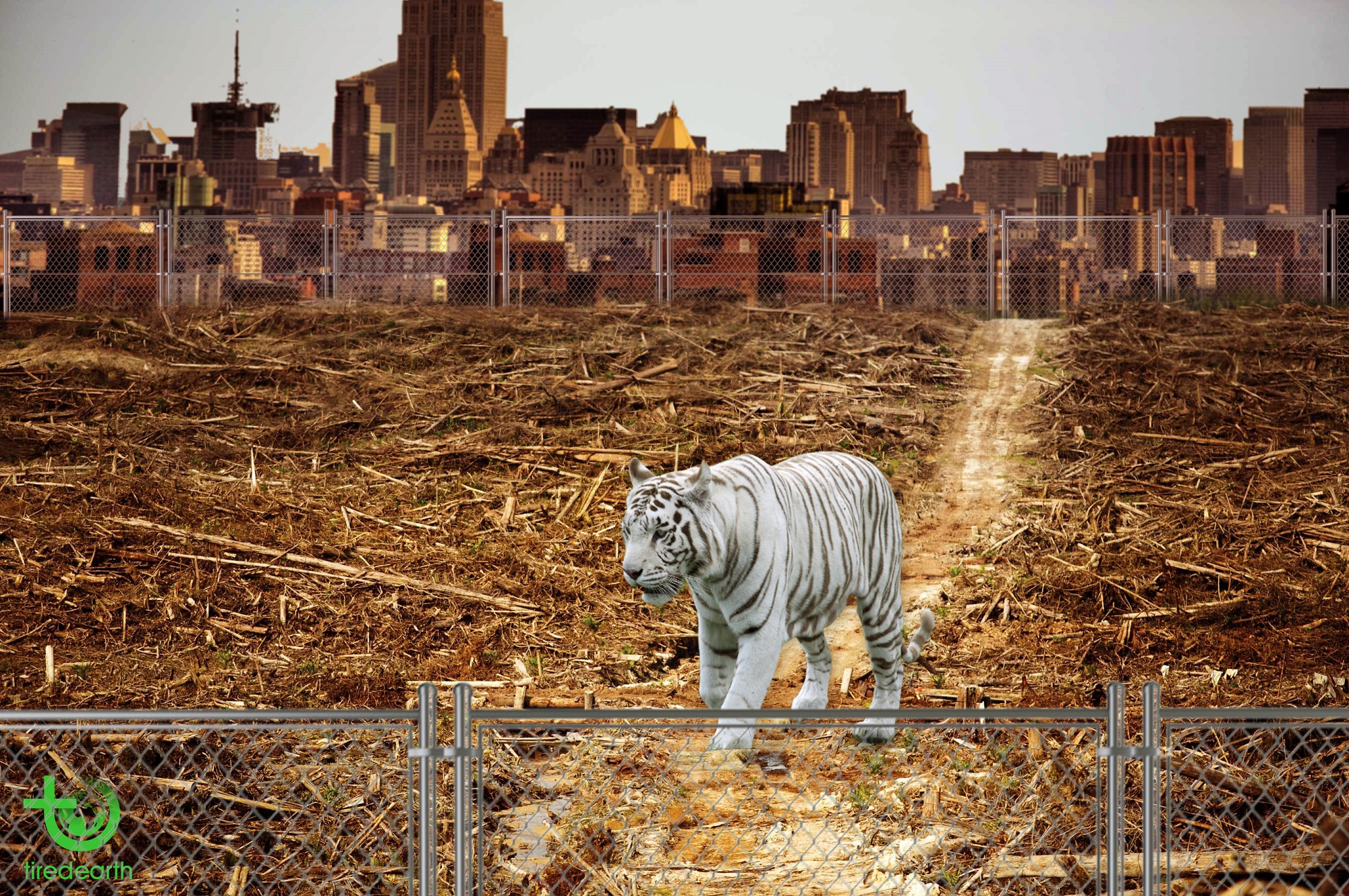
In the shadow of war, the climate cannot afford to be forgotten. Yet today, it is not only being neglected—it is being sacrificed.

The best of Tired Earth delivered to your inbox
Sign up for more inspiring photos, stories, and special offers from Tired Earth
By signing up for this email, you are agreeing to news, offers, and information from Tired Earth. Click here to visit our Privacy Policy.


Comment
Reply