

16 Nov 2026

Tired Earth
By The Editorial Board
Speaking at the Leaders’ Round Table on Zero Waste, Circularity and Methane in Antalya, the UN Secretary-General called for a global near-zero methane standard for oil and gas — and warned that voluntary action is no longer enough.
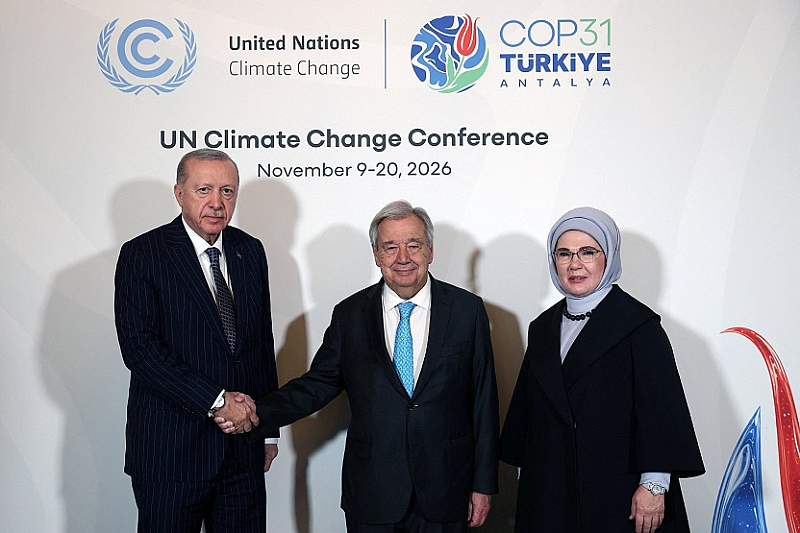
The United Nations Secretary-General used COP31’s zero-waste round table on 11 November to reframe waste as a climate problem, and methane as its fastest-moving edge. António Guterres opened with the scale of the crisis: the world generates more than 2 billion tonnes of municipal waste a year, the equivalent of 2,000 garbage trucks of plastic enters oceans, rivers and lakes daily, and e-waste is growing five times faster than it is recycled.
Nowhere is the waste more indefensible, he said, than with food. “Every day, we throw away enough food for a billion meals — while hundreds of millions go hungry.” Food loss and waste generates 8 to 10 per cent of global greenhouse gas emissions, and food rotting in landfills releases methane for decades.
Methane: visible, attributable, and still rising
Waste and wastewater account for around a fifth of human-made methane emissions, and methane is responsible for nearly a third of global warming today — making it one of the fastest levers for limiting overshoot of 1.5°C.
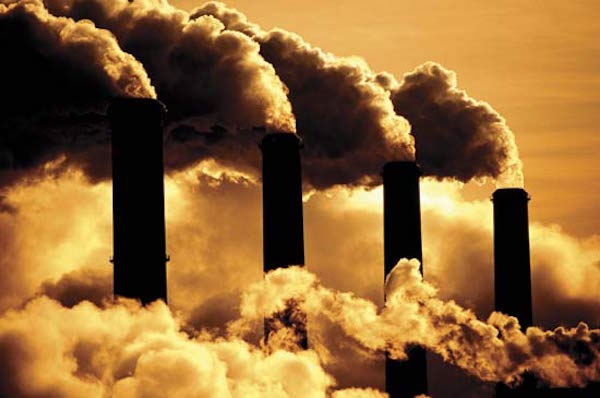
The Secretary-General’s criticism was directed squarely at the fossil fuel industry, which he said has “the means, the technology and the responsibility to cut fastest,” yet whose emissions are still rising while regulations are rolled back or delayed. In 2025, some 167 billion cubic metres of gas were flared — nearly as much as Africa consumes in a year — an estimated $54 billion “going up in smoke.” Around 30 per cent of fossil fuel methane emissions could be cut at no net cost.
Satellites can now spot major leaks. Since 2023, UNEP’s Methane Alert and Response System has issued more than 5,000 alerts — but barely one in eight has received a response.
A standard, not a pledge
“Voluntary action is no longer enough,” Guterres said. He announced that he has asked UNEP to develop a global near-zero methane standard for oil and gas — a science-based benchmark built on robust measurement, reporting and verification — which could become the foundation of a global market for near-zero methane oil and gas. He urged governments to enforce strong rules and incentives, producers to end routine flaring and venting, buyers to demand verified reductions, and investors to make methane performance count.
On waste, he called for halving food waste by 2030, ending open dumping and burning, capturing landfill and wastewater methane, designing products to last, making producers responsible for what they sell, concluding an ambitious plastics treaty, and getting finance to cities for collection, composting and circular infrastructure.
Solutions already working
The Secretary-General pointed to proof that the shift is possible: Japan has cut food waste by more than half, and organic waste is being turned into compost, fertiliser and animal feed in Durban, Dhaka and Kampala — cutting costs and creating jobs. A circular economy could deliver a net gain of more than $100 billion a year by 2050.
“The era of pledges is over. The world needs action,” he said, calling on countries to move “from managing waste to preventing it.”
Source : press.un.org
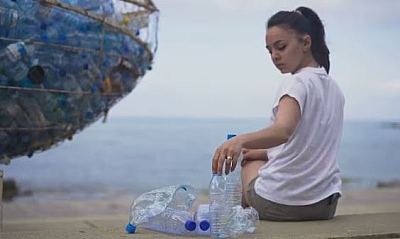
Plastic Pollution in Cameroon and Africa Plastic Pollution in Cameroon and Africa

The best of Tired Earth delivered to your inbox
Sign up for more inspiring photos, stories, and special offers from Tired Earth
By signing up for this email, you are agreeing to news, offers, and information from Tired Earth. Click here to visit our Privacy Policy.

Comment