


08 Nov 2026

Tired Earth
By The Editorial Board
As wildfires, droughts and heatwaves intensify around the world, the 31st United Nations Climate Change Conference (COP31) opens in Turkey amid growing climate concerns. Running from November 9 to 20, the summit brings together world leaders, scientists and environmental organisations to discuss the future of global climate action.
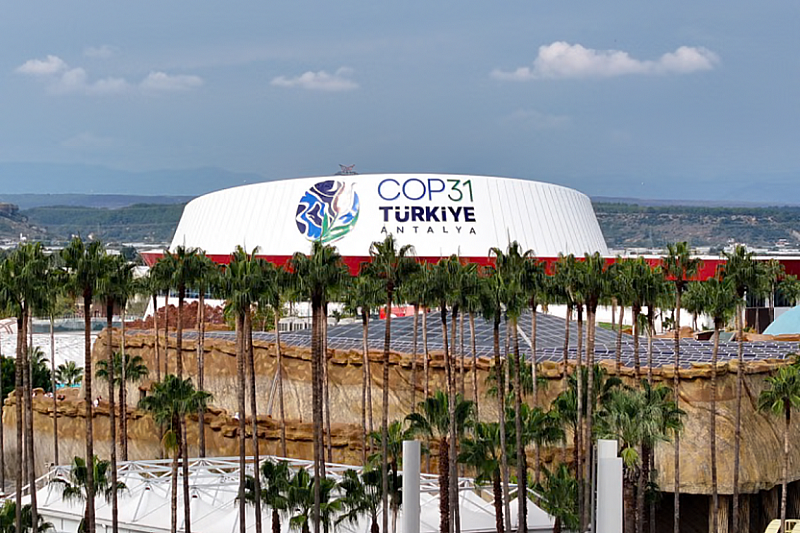
The climate crisis continues to worsen, with extreme weather events threatening ecosystems, populations and economies. COP31 therefore represents an important opportunity for governments to strengthen their commitments and accelerate the transition towards cleaner energy.
According to Mediapart's coverage of the summit, one of the main challenges will be to prevent any weakening of international climate commitments. Discussions are expected to focus on energy transition, electrification and adaptation to global warming.
Despite their importance, COP meetings are increasingly criticised for being too large, too slow and sometimes ineffective.
In an article published on November 7, Le Monde questions whether international climate conferences can be reformed. Among the main concerns are the influence of fossil fuel lobbyists, lengthy negotiations and the difficulty of reaching agreements between countries with different economic and political interests.
Several proposals have emerged, including improving transparency, limiting the size of delegations and making climate commitments more measurable.
The Secretary-General of the United Nations, António Guterres, has described the current situation as an “hour of truth” for climate action, as reported by Yahoo News.
His warning highlights the growing gap between international climate promises and their actual implementation. Reducing greenhouse gas emissions, investing in renewable energy and supporting vulnerable countries will be essential to achieving global climate goals.
Beyond diplomatic negotiations, the consequences of global warming are increasingly visible in everyday life. Wildfires, floods, droughts and extreme temperatures demonstrate the urgency of the situation.
In his editorial “Au milieu des flammes” (“Amid the Flames”), Baptiste Bize, editor-in-chief of Nice-Matin, highlights the contrast between the scale of the environmental crisis and the difficulties in responding to it.
Climate change is no longer a distant threat: it is already affecting populations, biodiversity and natural ecosystems across the globe.
As the conference begins in Antalya, expectations are high. Governments will need to move beyond political declarations and agree on concrete measures to accelerate the energy transition, protect biodiversity and strengthen climate adaptation.
The effectiveness of COP31 will depend not only on the agreements reached, but also on their implementation in the years ahead.
The message is clear: the climate crisis cannot wait. The world needs action, not just promises.
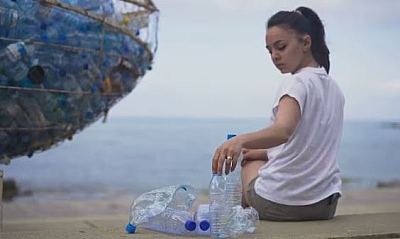
Plastic Pollution in Cameroon and Africa Plastic Pollution in Cameroon and Africa

The best of Tired Earth delivered to your inbox
Sign up for more inspiring photos, stories, and special offers from Tired Earth
By signing up for this email, you are agreeing to news, offers, and information from Tired Earth. Click here to visit our Privacy Policy.

Comment