


17 Nov 2026

Tired Earth
By The Editorial Board
EU member states have agreed to postpone key monitoring and reporting obligations for oil, gas, and coal importers until 2028, citing energy market disruption caused by the US-Israeli war on Iran. The decision still requires approval from the European Parliament.
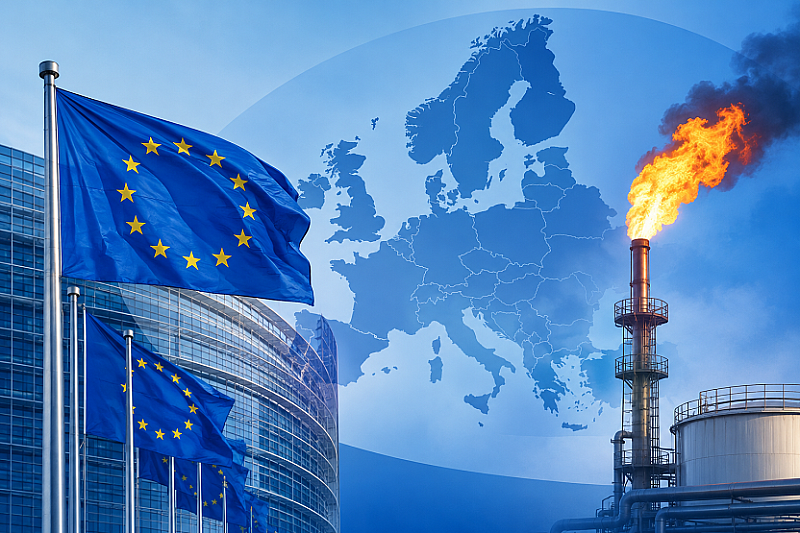
The Council of the European Union, representing the bloc's 27 member states, agreed on Friday to delay the implementation of methane monitoring, reporting, and verification (MRV) requirements for fossil fuel importers by one year, from January 1, 2027, to January 1, 2028 . The move follows a European Commission proposal published in October and reflects what the Council described as a "pragmatic approach" to balancing energy security with climate ambition .
"There are significant pressures on global energy markets, which are driving up energy prices across the EU," said Darragh O'Brien, Ireland's Minister for Climate, Energy and the Environment, in a statement . "The Council's agreement today proposes a pragmatic approach forward, addressing the pressures in the energy market, while maintaining the EU's global leadership in reducing methane emissions" .
What Is Being Delayed
The postponement covers three sets of obligations under the EU Methane Regulation, adopted in May 2024 and in force since August 2024 :
Monitoring, reporting, and verification obligations for natural gas, crude oil, and coal importers, now applying from January 1, 2028 instead of January 1, 2027 .
Methane-intensity reporting for both importers and EU producers, now applying from August 5, 2029 instead of August 5, 2028 .
Maximum methane-intensity levels for both importers and EU producers, now applying from August 5, 2031 instead of August 5, 2030 .
The Council's position also includes a built-in review mechanism. By September 30, 2027, the Commission will assess whether the necessary conditions for implementation are in place — including a sufficient number of third-party verifiers and EU rules on transferring methane emissions data between producers and importers . If these elements are missing, the Commission can postpone the import-related monitoring obligations through secondary legislation, with member states' agreement . The Commission could also propose further changes if implementation challenges persist or energy security is threatened .
The Broader Context
Methane emissions are responsible for about 30% of global climate warming . The EU regulation was designed to ensure transparency on the methane footprint of imported fossil fuels, complementing domestic reduction efforts.
The delay illustrates the growing tension between Europe's climate commitments and the immediate challenge of securing affordable energy amid the Middle East conflict . The European Council had already signaled support for the postponement in its conclusions of October 15-16, 2026, describing it as a "targeted measure" responding to the current geopolitical context .
Next Steps
The Council will now seek an early agreement with the European Parliament to ensure the postponement takes effect before the end of the year, when the current rules are due to apply . The European Parliament has previously signaled a willingness to go further — in October, MEPs voted for a three-year delay, exceeding the Commission's one-year proposal . The final outcome will depend on negotiations between the two institutions.

Plastic Pollution in Cameroon and Africa Plastic Pollution in Cameroon and Africa

The best of Tired Earth delivered to your inbox
Sign up for more inspiring photos, stories, and special offers from Tired Earth
By signing up for this email, you are agreeing to news, offers, and information from Tired Earth. Click here to visit our Privacy Policy.



Comment
Reply