



17 Oct 2026

Tired Earth
By The Editorial Board
The president of Iran condemned the environmental consequences of wars of aggression, describing the environmental devastation caused by the wars in the region, including in Gaza, as “ecocide” and urging the international community to establish effective and enforceable mechanisms to protect biodiversity during armed conflicts.
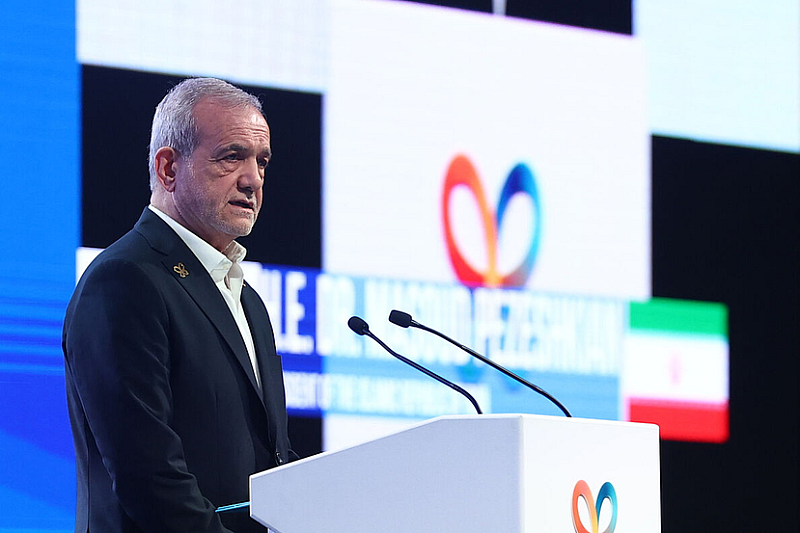
Addressing the Leaders’ Summit of the 17th Conference of the Parties to the Convention on Biological Diversity, held in Armenia’s Yerevan on Friday, October 16, Iranian President Masoud Pezeshkian said war not only kills people and destroys economic infrastructure but also burns forests, damages wetlands, contaminates soil, threatens water resources and destroys wildlife habitats. He warned that such damage can persist for years or even generations after hostilities end.
The Iranian president said the US and Israeli regime’s war of aggression in the region has damaged industrial and energy facilities, caused fires and released pollutants, contaminating soil and water and threatening natural ecosystems.
Pezeshkian described the environmental devastation caused by the wars in the region, including in Gaza, as “ecocide” that must be condemned, adding that pollution and ecological damage transcend national borders.
See also:
He then called on the international community to ensure that nature is not treated as a “silent and defenseless victim” of war. He said international agencies and relevant institutions should strengthen mechanisms for assessing environmental damage, mobilizing financial resources, restoring damaged ecosystems and supporting countries affected by the environmental consequences of armed conflicts.
Highlighting Iran’s biodiversity, which spans the Hyrcanian and Arasbaran forests, the Zagros Mountains, deserts and the coasts of the Persian Gulf, Sea of Oman and Caspian Sea, Pezeshkian said nature conservation is part of the country’s cultural and civilizational heritage. He noted that Iran has adopted a national biodiversity strategy and action plan, designated its Department of Environment as the national coordinating body, and prioritized the protection of endangered species and the expansion of protected areas.
See also:
The president also stressed that developing countries need fair access to financial resources, modern technologies, scientific knowledge and capacity-building opportunities to meet their environmental commitments.
He said countries facing economic sanctions or military aggression should not be left to bear alone the environmental costs of sanctions or wars they did not initiate. Without adequate funding and equitable technology transfer, he warned, global biodiversity targets would remain little more than declarations and negotiations.
Pezeshkian reaffirmed Iran’s readiness to share its scientific expertise, academic capabilities and experience with other countries, describing biodiversity conservation as an important avenue for “peace diplomacy.”
He finally said regional environmental cooperation could help bridge divides between nations and contribute to peace and security, coexistence with nature, and the well-being of present and future generations.

The best of Tired Earth delivered to your inbox
Sign up for more inspiring photos, stories, and special offers from Tired Earth
By signing up for this email, you are agreeing to news, offers, and information from Tired Earth. Click here to visit our Privacy Policy.



Comment
Reply