


12 Apr 2026

Tired Earth
By The Editorial Board
As the conflict in the Middle East intensifies, the global economy is beginning to falter. Between suspicious financial maneuvers on Wall Street, the paralysis of strategic oil routes, and the distress of French motorists, here is an overview of a crisis that is settling in for the long haul.
A Billion-Dollar Bet on Political Timing
The financial world appears to have anticipated diplomatic upheavals with unsettling precision. According to reports from La Dépêche, traders reportedly bet a staggering $950 million on the markets just hours before Donald Trump announced a ceasefire attempt. These massive capital movements raise ethical questions and fuel fears that geopolitical volatility is being weaponized by financial circles while energy costs skyrocket for the general population.
The Strait of Hormuz: The Specter of a Third Oil Shock
The situation on the ground directly threatens the vital arteries of the global economy. The blockage of the Strait of Hormuz, a critical chokepoint for global crude oil, poses an existential threat to European energy supplies. As analyzed by RTL.be, if tanker traffic does not return to normal quickly, the world faces an unprecedented oil shock capable of paralyzing entire sectors of industry and transport.
France Under Pressure: The Shock of Fuel Prices
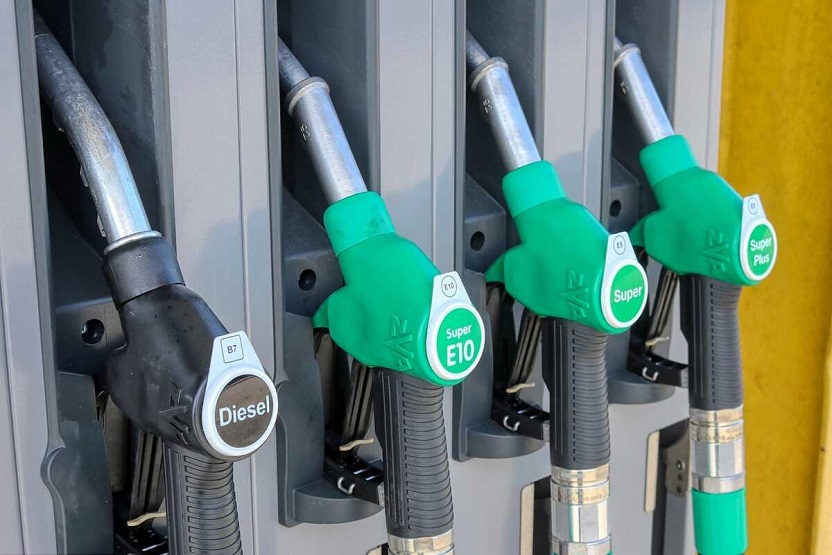
On a national level, the consequences of this instability are translating into a dizzying surge in fuel prices. In border regions, the situation has become surreal. The daily newspaper L'Est Républicain reports a historic shift: while Swiss citizens once crossed the border to take advantage of lower French prices, the opposite is now happening. French motorists, burdened by rising costs and scarcity-related taxes, are now forced to seek relief from their neighbors.
This triple pressure—speculative, strategic, and domestic—outlines a major energy crisis whose outcome remains closely tied to the evolution of the international military tensions triggered earlier this year.

The best of Tired Earth delivered to your inbox
Sign up for more inspiring photos, stories, and special offers from Tired Earth
By signing up for this email, you are agreeing to news, offers, and information from Tired Earth. Click here to visit our Privacy Policy.



Comment