


12 Apr 2026

Tired Earth
By The Editorial Board
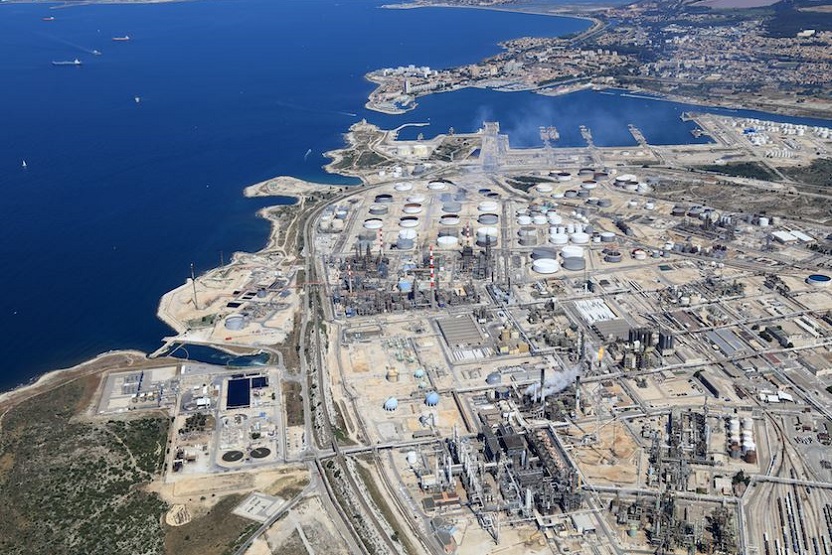
The relief for European households is proving short-lived. As prices prepare to jump again this May, Europe is embarking on a colossal logistical challenge: replenishing its strategic reserves before the return of cold weather, all within a still-volatile geopolitical climate.
A Painful May for Consumers
Bad news for French wallets: the spring thaw will not be reflected in energy bills. According to reports from the Dernières Nouvelles d'Alsace (DNA), nearly 75% of subscribers will see their gas bills increase starting next month.
This hike is directly tied to the evolution of the "benchmark price" for gas sales. As highlighted by the consumer association UFC-Que Choisir, regional instability and persistent tensions in Iran continue to weigh heavily on reference indices, forcing a mandatory upward revision of regulated tariffs.
Rebuilding Stocks: Europe’s Great Anxiety
Beyond the immediate cost, it is long-term energy security that is worrying experts. L'Usine Nouvelle sheds light on a Herculean task: Europe must imperatively reconstitute its gas reserves before next winter.
After a winter that depleted existing stocks and amid a total disruption of traditional flows, the logistics of refilling storage has become a top priority to avoid shortages or rationing during the next cold snaps. This "race to refill" maintains constant pressure on the markets, preventing any lasting drop in prices.
A Fragile Diplomatic Respite
However, a glimmer of hope has appeared on the global Liquefied Natural Gas (LNG) markets. Following the announcement of a ceasefire between the United States and Iran, spot LNG prices in Asia have dropped to their lowest level in six weeks, as noted by Boursorama.
Nevertheless, this decline remains precarious. While the diplomatic de-escalation allows for a temporary easing of trade flows, volatility remains the gold standard in an energy market that remains suspended on every tremor of the international conflict.
Note well: The current equation for Europe is complex. It is no longer just a matter of paying a high price for gas, but of ensuring that there is enough in underground reservoirs to face the 2026-2027 winter—a scenario where geopolitics now dictates the thermal comfort of every citizen.

The best of Tired Earth delivered to your inbox
Sign up for more inspiring photos, stories, and special offers from Tired Earth
By signing up for this email, you are agreeing to news, offers, and information from Tired Earth. Click here to visit our Privacy Policy.



Comment