


22 Dec 2025

Tired Earth
By The Editorial Board
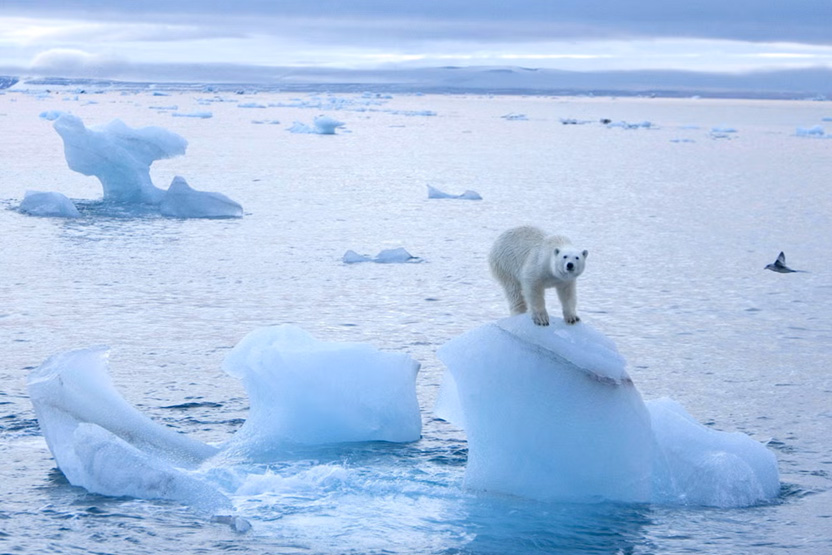
Between October 2024 and September 2025, temperatures in the Arctic surged 1.60°C above the average recorded between 1991 and 2020, marking an alarming spike in a region already heating at a rate three times faster than the rest of the planet. This rapid warming is exacerbating the Arctic's vulnerability to the effects of climate change, with potentially catastrophic consequences for the environment, wildlife, and local communities.
Unprecedented Warming and Its Impacts
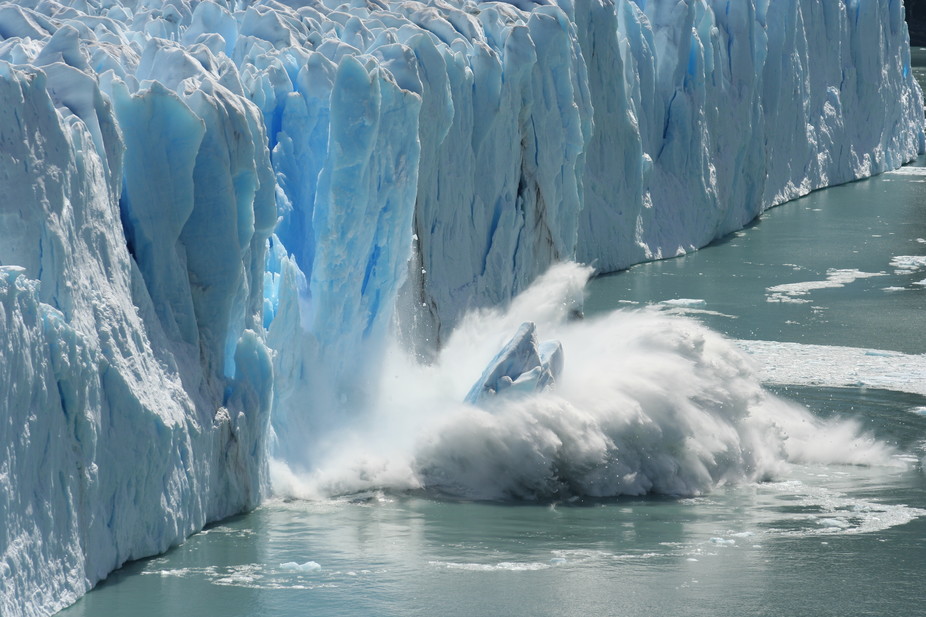
The Arctic is experiencing what’s known as "Arctic amplification," where the rate of warming exceeds global averages, leading to the rapid melting of sea ice, rising sea levels, and the destruction of crucial ecosystems. The consequences of this ongoing warming are already evident: melting glaciers, disrupted wildlife habitats, and threats to the livelihoods of Indigenous communities dependent on traditional ways of life.
In addition to these environmental shifts, the marine heatwaves observed in the Arctic over the past summer have exacerbated biodiversity loss in the region's oceans. Species such as polar bears, Arctic foxes, and various marine mammals face the loss of their natural habitats as the ice sheet continues to retreat.
The Arctic's Global Impact
The NOAA report stresses that the Arctic plays a vital role in the global climate system, often referred to as the "planetary refrigerator." As the sea ice melts, it reduces the Earth’s albedo, meaning less solar energy is reflected back into space, allowing more heat to be absorbed by the ocean. This, in turn, accelerates regional warming and contributes to global climate disruptions like extreme weather events and rising sea levels.
A Bleak Outlook for the Future
The report's findings point to a troubling trajectory for the coming decades. Scientists warn that if current trends continue, we could witness a complete loss of summer sea ice in the Arctic by the end of the century. Such a shift would have devastating consequences not only for Arctic ecosystems but for global weather patterns, sea levels, and food security.
Call to Action: A Climate Emergency
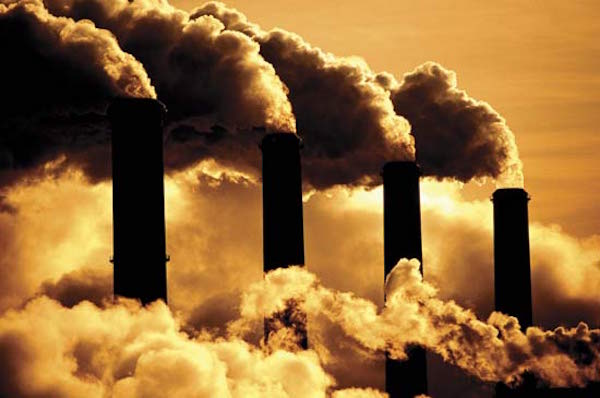
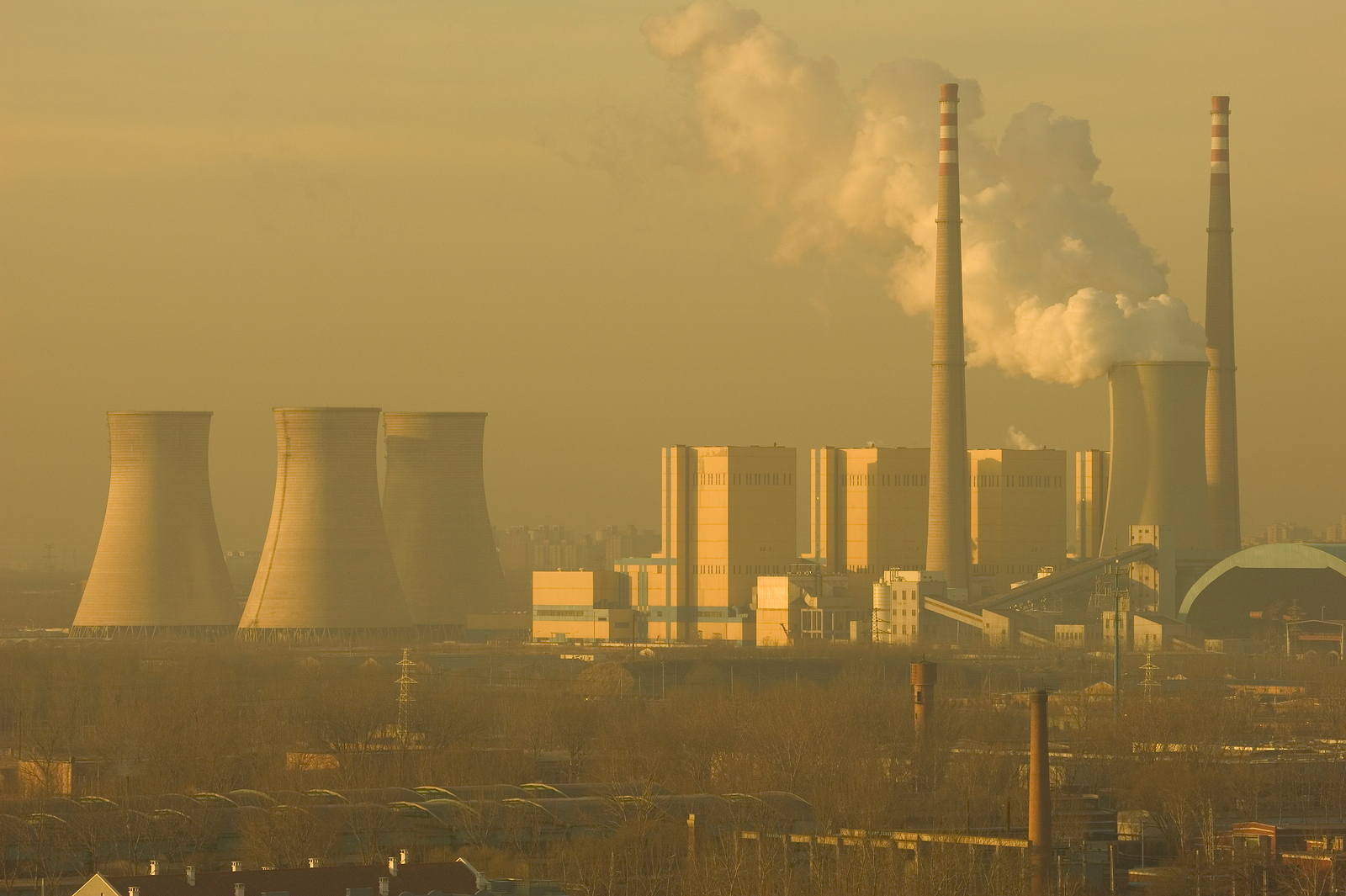
As the climate crisis intensifies, experts emphasize the urgency of global action to curb greenhouse gas emissions, particularly CO₂. Without drastic cuts in emissions, the world will face even more severe consequences in the near future, with vulnerable regions like the Arctic being hit hardest.
Governments are urged to accelerate their climate commitments, with stronger policies aimed at limiting global warming to 1.5°C—a target established in the Paris Agreement. The NOAA's report serves as a stark reminder that time is running out for the world to take meaningful action to prevent irreversible damage.
The Bottom Line
The Arctic is warming faster than any other region on Earth, and the consequences are already catastrophic. As the region faces a future of ice-free summers and extreme weather patterns, the world must take immediate, coordinated action to tackle the root causes of climate change and secure a sustainable future for all.

The best of Tired Earth delivered to your inbox
Sign up for more inspiring photos, stories, and special offers from Tired Earth
By signing up for this email, you are agreeing to news, offers, and information from Tired Earth. Click here to visit our Privacy Policy..




Comment