22 Dec 2025
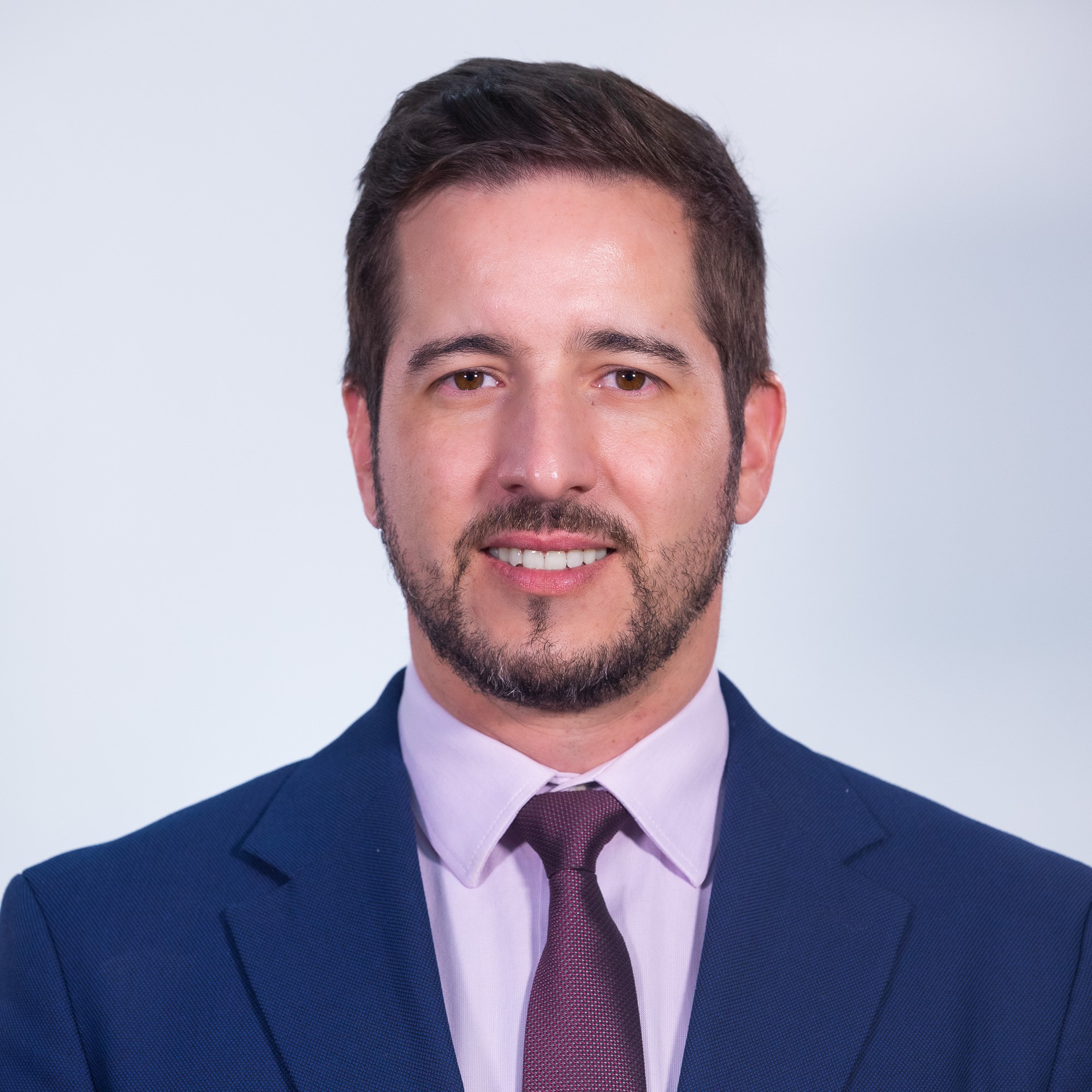
Vinícius Gürtler da Rosa
Brazilian
1. Tell us about your personal and educational journey that led you to your career with the Brazilian Ministry of Culture.
I hold a Bachelor’s Degree and a Master’s Degree in International Relations, as well as diplomas in Business Administration and International Cooperation. My professional and academic trajectory has always been anchored at the intersection of public policy and international cooperation, with a strong focus on multilateral governance and development.
I am a Brazilian public servant, working within the federal government. During the Bolsonaro administration, it was extremely difficult to witness the dismantling of well-established public policies and institutions, including the Ministry of Culture itself. With the return of President Lula to office, I felt a strong sense of responsibility to contribute to the reconstruction of Brazil’s cultural institutions and public policies.
It was in this context that I decided to apply for the position of General Coordinator for International Affairs at the Ministry of Culture. I am very glad to be able to contribute to policymaking and to the recovery and strengthening of Brazil’s cultural sector, under the leadership of Minister Margareth Menezes.
Within the Ministry, my work has evolved alongside Brazil’s renewed commitment to multilateralism and to culture as a pillar of sustainable development, social cohesion, and climate action. This trajectory also explains Brazil’s proactive approach to advocating for culture’s role in global climate action, which ultimately led to our engagement and leadership in co-chairing the Group of Friends for Culture-Based Climate Action.
2. What are your responsibilities at the Brazilian Ministry of Culture?
At the Ministry of Culture, I serve as General Coordinator for International Affairs. My responsibilities include coordinating Brazil’s engagement with international organizations such as UNESCO, OEI, ICOMOS, and ICOM; supporting the Minister’s participation in global forums; and articulating Brazil’s positions in spaces where culture intersects with broader global challenges.
With regard specifically to culture and climate action, I am involved in advancing Brazil’s leadership within the Group of Friends for Culture-Based Climate Action (GFCBCA), alongside the United Arab Emirates. The GFCBCA is an informal coaltion of countries and international, and non-governmental institutions aimed at advocating for culture’s recognition and integration to global climate frameworks. It was created in 2023, during COP28, in Dubai, and has today over 55 countries and 27 international organization, with UNESCO acting as main knowledge partner.
3. Tell us about the importance of COP30, considering that the UNFCCC was signed at the Earth Summit in Rio in 1992.
COP30 carries deep historical, political, and symbolic significance. The UN Framework Convention on Climate Change was signed in Rio de Janeiro in 1992, marking the birth of the global climate governance architecture. More than three decades later, COP30 returned to Brazil—this time to Belém, at the heart of the Amazon.
There is also a very human and cultural dimension to this history. Minister Margareth Menezes was a young artist in the making when she took a bus from a small village in Bahia to Rio de Janeiro in 1992. Even at that time, she was already deeply concerned about scientific findings pointing to the urgency of addressing climate change and reducing greenhouse gas emissions.
As President Lula stated, COP30 was the “COP of truth.” After years of COPs being held primarily in developed countries or highly touristic cities, COP30 in Belém offered world leaders and negotiators the opportunity to experience the reality of an urban center located within one of the world’s largest rainforests. Belém symbolizes many of the complexities of the climate process: the urgent need to combat climate change while simultaneously addressing poverty, inequality, and climate justice.
This perspective is reflected in Brazil’s core principles in the climate agenda, particularly the principle of common but differentiated responsibilities and respective capabilities. Developed countries must recognize their historical responsibilities, advance ambitious mitigation efforts, and ensure adequate and predictable financing for adaptation in developing countries, especially small island developing states.
Culture is also part of this broader discussion. During Brazil’s Presidency, we advocated for a global “Mutirão” — a collective effort to save the planet — and promoted Global Ethical Stocktakes around the world, fostering dialogue on ethics, culture, and the arts as essential elements in countering inaction and doomsday narratives that undermine collective climate responses.
Hosting COP30 in the Amazon underscored the urgency of protecting ecosystems while placing communities, Indigenous peoples, culture, and traditional knowledge at the center of climate solutions.
4. How are you involved with the Climate Heritage Network (CHN)?
The Brazilian Ministry of Culture has worked closely with the Climate Heritage Network for several years, particularly in advancing the recognition of culture and heritage within climate policy frameworks.
In my role, I engage with CHN as a strategic knowledge partner and ally, contributing to dialogues, side events, and advocacy efforts that connect heritage, traditional knowledge, and climate resilience.
Within the Group of Friends for Culture-Based Climate Action, CHN plays a particularly important role. The Group benefits from the engagement of CHN’s Special Envoy, Princess Dana Firas, who has been a steadfast supporter of the initiative even before its formal inception. Princess Dana and CHN have been essential allies in building the case for culture and cultural heritage as active and integral components of the UNFCCC agenda.
This collaboration proved especially important in the lead-up to COP30, as we worked collectively to strengthen the evidence base and policy arguments for integrating culture into adaptation, loss and damage, and capacity-building discussions.
5. Tell us about your programming at COP30 for the Green Zone.
In the Green Zone, Brazil prioritized broad public engagement, cultural expression, and inclusive dialogue. The Ministry of Culture organized and supported events both at the Brazilian Pavilion and in other spaces managed by institutional partners.
Through this programming, we brought together artists, Indigenous leaders, community representatives, researchers, young people, and cultural practitioners from Brazil and abroad. The Green Zone activities emphasized community-based initiatives and practical climate action, highlighting culture’s role as a bridge between emotion, identity, and knowledge, while amplifying voices from the Amazon and other vulnerable territories.
6. Tell us about your programming at COP30 for the Blue Zone and the fire at the African Pavilion on November 20, 2025.
In the Blue Zone, our focus was on policy integration and institutional change. The Ministry of Culture of Brazil supported high-level dialogues, technical panels, and official side events aimed at strengthening culture’s role within UNFCCC processes, particularly in adaptation and capacity building.
During Brazil’s COP30 Presidency, culture and cultural heritage were officially recognized as part of the UNFCCC Action Agenda, to be followed through 2028 within the framework of the Global Stocktake process. Culture and cultural heritage are now formally included under Key Objective 19 of the Action Agenda.
In this context, we organized a special event in the Action Agenda Thematic Rooms entitled “Cultural Heritage and Adaptation to Climate Change.” This event also marked the public launch of the Group of Friends’ Plan to Accelerate Solutions, which sets out the objective of accelerating the integration of cultural heritage considerations into National Adaptation Plans (NAPs).
This objective was collectively developed by members of the Group of Friends and was first approved during the 3rd High-Level Ministerial Dialogue held in Barcelona on the margins of MONDIACULT, the World Conference on Cultural Policies and Sustainable Development. At that meeting, more than 20 Ministers of Culture adopted the Barcelona Declaration, formally calling for the integration of cultural heritage into adaptation strategies and advocating for its inclusion in the UNFCCC Action Agenda.
At COP30, we also witnessed the approval of five indicators for cultural heritage within the Global Goal on Adaptation (GGA). These indicators now form part of a working agenda to be implemented by all Parties to the UNFCCC, meaning that countries worldwide will need to address the adaptation needs of the cultural heritage sector. This represents both a major breakthrough and a significant challenge, as these indicators must now be operationalized in ways that are feasible and responsive to diverse national contexts.
Additional Blue Zone events organized by the Ministry focused on cultural heritage and adaptation finance—an especially critical issue for developing countries. These discussions brought together heritage experts, practitioners, policymakers, and financial institutions to assess the current landscape of cultural heritage financing.
We also held events on the power of storytelling and narratives in shaping global perceptions of climate change, highlighting culture’s unique ability to mobilize, inspire, and engage hearts and minds.
Regarding the fire that broke out on November 20, 2025, at the African Pavilion, it was an unfortunate incident, particularly as it occurred during the final and most intense days of negotiations. Brazil made significant efforts to host a successful COP, and fortunately, emergency teams responded swiftly and no one was injured. Nonetheless, the incident was a stark and somewhat ironic reminder—occurring in the Blue Zone at a moment of high tension—of the urgency of the climate emergency we were all gathered to address.
7. COP30 is being called the “COP of Adaptation.” How does this apply to culture and heritage?
For the first time, culture and cultural heritage were fully integrated into the COP Action Agenda, establishing a clear pathway for work on these themes through to the next Global Stocktake in 2028. The approval of cultural heritage indicators under the Global Goal on Adaptation further reinforces this shift.
Culture and heritage are fundamental to climate adaptation. Safeguarding both tangible and intangible heritage strengthens community resilience. Built heritage, in particular, offers critical insights at a time when the construction sector faces growing demands. We cannot afford, environmentally or socially, for all future buildings to be constructed from scratch.
Traditional building techniques, land-use practices, oral histories, and cultural landscapes provide tested, place-based solutions to climate challenges. Integrating these dimensions enhances adaptation strategies while ensuring they remain socially rooted and locally owned.
8. Tell us about your initiatives to integrate culture into climate policies in Brazil.
In Brazil, we have worked to mainstream culture within national climate discussions by fostering inter-ministerial dialogue, supporting research and indicators, and aligning cultural policies with climate objectives.
This includes promoting the integration of cultural dimensions into adaptation planning, supporting Indigenous and community-led initiatives, and ensuring that cultural sectors themselves transition toward more sustainable and resilient models.
In 2025, we held three nationwide events on Culture and Climate Action, including the 2nd International Seminar on Culture and Climate Change, held in Rio de Janeiro from October 31 to November 2, 2025 at the Gustavo Capanema Palace. This seminar brought together representatives from governments, cultural institutions, international organizations, artists, researchers, civil society, and activists to strengthen the dialogue between culture and climate action and to prepare the cultural agenda leading up to COP30. The program comprised seven thematic panels addressing: culture as a pillar of climate action policies; the link from MONDIACULT to COP30 as a global collective effort; the role of culture, art and collective imagination in confronting the planetary crisis; financing for a sustainable and resilient cultural sector; climate justice and traditional knowledge; the role of storytelling in climate action; and new forms of social participation to bolster climate capacity.
Minister Margareth Menezes officially opened the seminar, underscoring that culture is a vital force in socially just and solidarity-based responses to the climate emergency.
At the Ministry of Culture, we have also established a Working Group to develop Brazil’s first Culture-Based Climate Action Program, alongside other initiatives aimed at advancing adaptation and mitigation actions. COP30 significantly accelerated these efforts, generating momentum that will continue beyond the conference.
9. What are your thoughts on the climate challenges in the Amazon discussed in the article (https://www.tiredearth.com/articles/lamont-doherty-earth-observatory-joins-cop30-with-science--art.).
The article highlights how the Amazon is both a frontline of climate impacts and a reservoir of solutions. Addressing the region’s challenges requires a convergence of science, art, and Indigenous knowledge.
This perspective resonates strongly with an initiative we presented during SB62 in Bonn. We invited Professor Bruna da Rocha, from the Federal University of Western Pará (UFOPA), to present the project “Revealed Amazon”. The project seeks to identify archaeological sites across the Amazon using complementary methodologies that account for the region’s multiple cultural heritages.
By revealing the temporal and material diversity of the Amazon’s archaeological record—spanning more than 15,000 years and continuously shaped by Indigenous and traditional Peoples of the Forest—the project challenges reductive narratives about the region.
From Brazil’s perspective, the Amazon cannot be viewed merely as a carbon sink. It is a living cultural landscape, shaped by peoples, histories, fauna, flora, and practices that are essential to climate resilience. Integrating cultural perspectives into climate initiatives strengthens both environmental protection and social justice.
11. Anything else you would like to add?
COP30 demonstrated that culture is no longer peripheral to climate action—it is a necessary pillar. The key challenge now is to ensure this recognition will come from policy makers and negotiators and that culture will also be considered in policy frameworks, financing mechanisms, and concrete implementation tools.
Brazil remains committed to working with international partners to ensure that culture continues to inform and strengthen global climate action well beyond COP30.
12. How can people reach you?
People can follow the work of the Brazilian Ministry of Culture through its official website:
https://www.gov.br/cultura/pt-br
Information on the Group of Friends for Culture-Based Climate Action is available at:
https://www.gov.br/cultura/pt-br/assuntos/culture-climate
I can also be contacted directly at: vinicius.rosa@cultura.gov.br

The best of Tired Earth delivered to your inbox
Sign up for more inspiring photos, stories, and special offers from Tired Earth
By signing up for this email, you are agreeing to news, offers, and information from Tired Earth. Click here to visit our Privacy Policy..